


Știri din industrie
 Acasă / Ştiri / Știri din industrie / Filtre de presă cu filtru cu membrană față de cameră: Care este diferența?
 Filtre de presă cu filtru cu membrană față de cameră: Care este diferența?
 2026.07.13
 Știri din industrie
Filtre filtru presa joacă un rol critic în separarea industrială solid-lichid, ajutând companiile să îmbunătățească eficiența producției, să reducă deșeurile și să obțină rezultate de filtrare de calitate superioară. Dintre diferitele tipuri de sisteme de filtru presă disponibile astăzi, filtrele cu filtru presă cu membrană și filtrele cu filtru presă cu cameră sînt cele două soluții cele mai utilizate pe scară largă în industrii precum procesarea chimică, minerit, alimente și băuturi, farmaceutice, tratarea apelor uzate, ceramică și metalurgie.
Deși ambele tehnologii servesc aceluiași scop fundamental - separarea solidelor de lichide - ele diferă semnificativ în ceea ce privește mecanismul de filtrare, eficiența de deshidratare, costurile de operare, conținutul de umiditate al turtei și performanța generală. Alegerea filtrului filtru presă potrivit poate avea un impact direct asupra productivității, cheltuielilor de operare și calității produsului.
Ce este un filtru presă cu filtru de cameră?
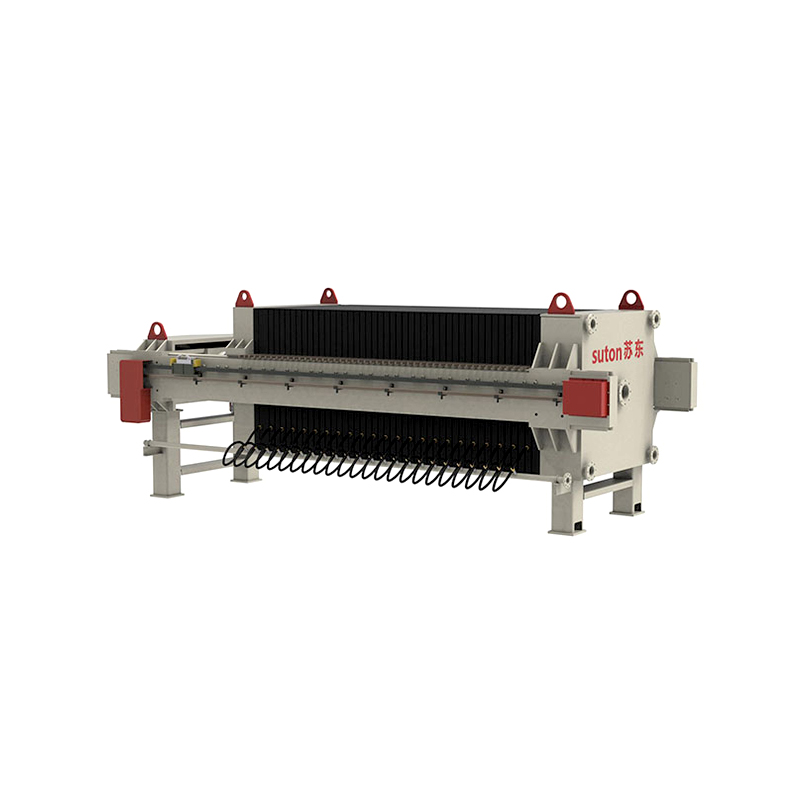
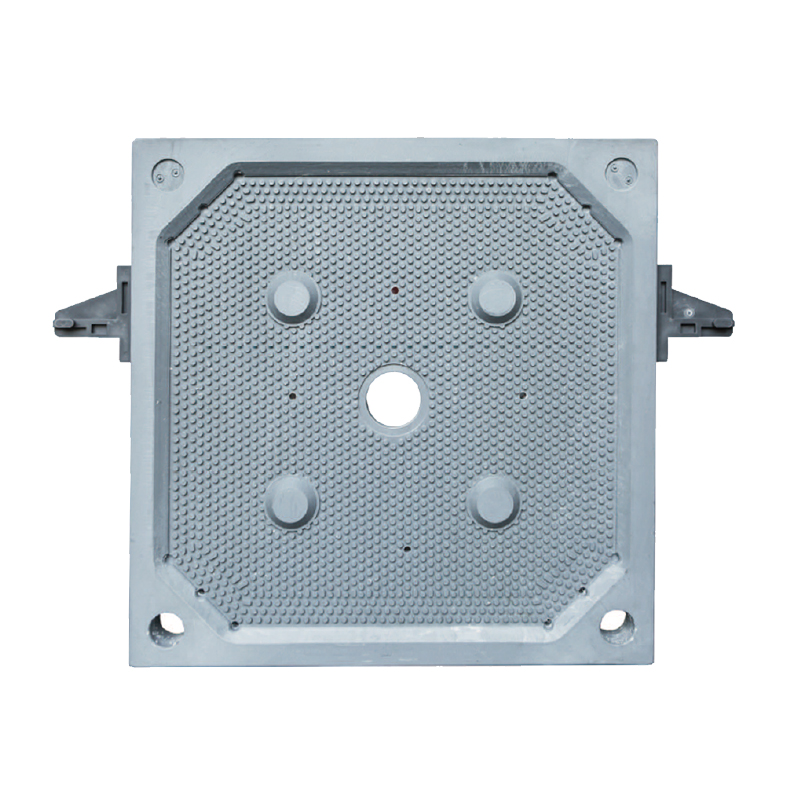
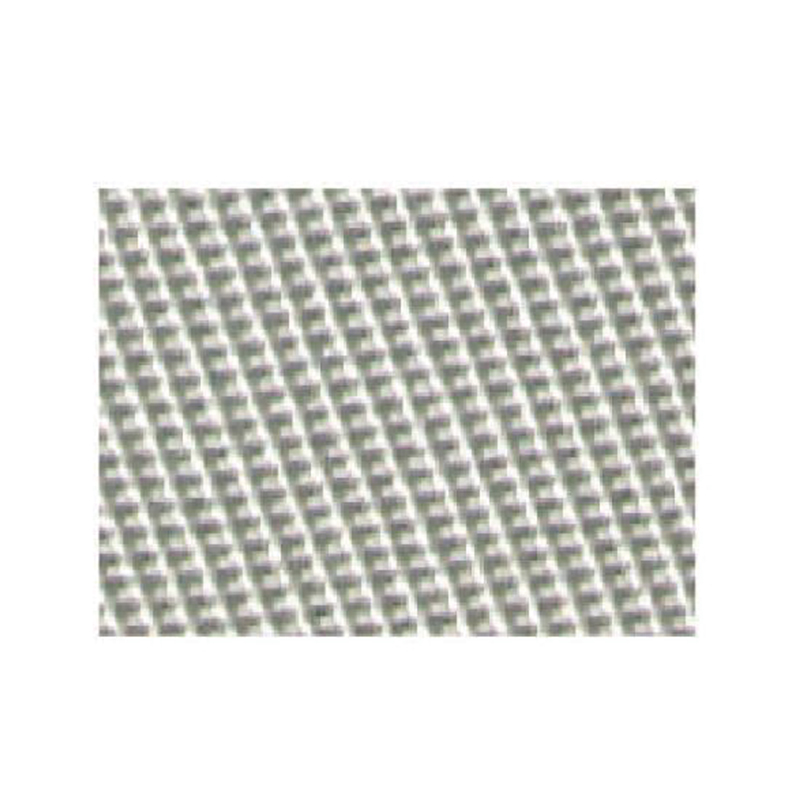
Un filtru presă cu filtru cu cameră este sistemul de filtrare tradițional și cel mai frecvent utilizat în aplicațiile industriale. Este alcătuit din plăci filtrante încastrate acoperite cu pânză filtrantă. Atunci când plăcile sunt presate împreună, ele formează camere de filtrare sigilate în care nămolul este pompat sub presiune.
Pe măsură ce suspensia intră în fiecare cameră, lichidul trece prin pânza de filtru, în timp ce particulele solide rămân în interior, formând treptat o turtă de filtru. Odată ce camerele sunt complet umplute, ciclul de filtrare se termină, iar plăcile sunt deschise pentru descărcarea turtei.
Deoarece filtrele presă cu cameră se bazează exclusiv pe presiunea pompei de alimentare, conținutul de umiditate al turtei de filtrare depinde în principal de timpul de filtrare și presiunea de pompare.
Caracteristici cheie
- Structură simplă și fiabilă
- Investiție inițială mai mică
- Operare ușoară și întreținere
- Potrivit pentru producția industrială continuă
- Compatibil cu o gamă largă de materiale de pânză filtrantă
Aplicații tipice
- Tratarea apelor uzate municipale
- Decantare miniere
- Producția chimică
- Fabricarea ceramicii
- Prelucrarea pigmentului
- Prelucrarea alimentelor
- Deshidratarea nămolului industrial
Avantaje
| Caracteristică | Beneficiază |
| Design simplu | Costuri de întreținere mai mici |
| Cost redus de achiziție | Ideal pentru proiecte care țin cont de buget |
| Funcționare stabilă | Potrivit pentru producție continuă |
| Înlocuire ușoară a pânzei filtrante | Timp de nefuncționare redus |
| Gamă largă de aplicații | Se ocupă de multe tipuri de șlam |
Limitări
În timp ce filtrele cu filtru presă cu cameră sunt foarte fiabile, ele produc în general turte de filtrare cu umiditate reziduală mai mare în comparație cu sistemele cu filtru presă cu membrană. Ciclurile de filtrare pot fi, de asemenea, mai lungi atunci când aveți de-a face cu materiale greu de deshidratat.
Ce este un filtru presă cu filtru cu membrană?
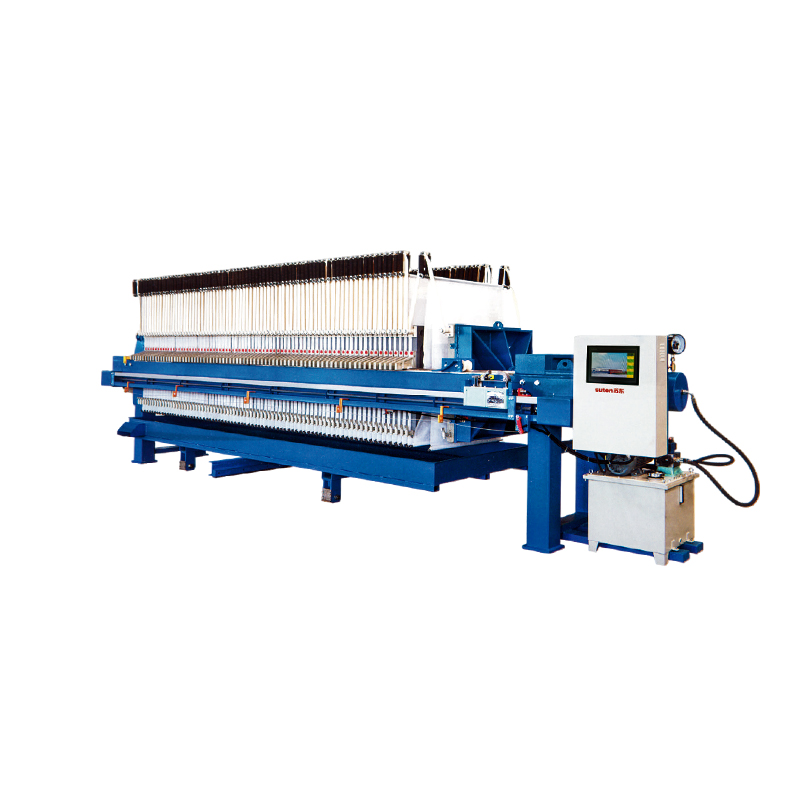
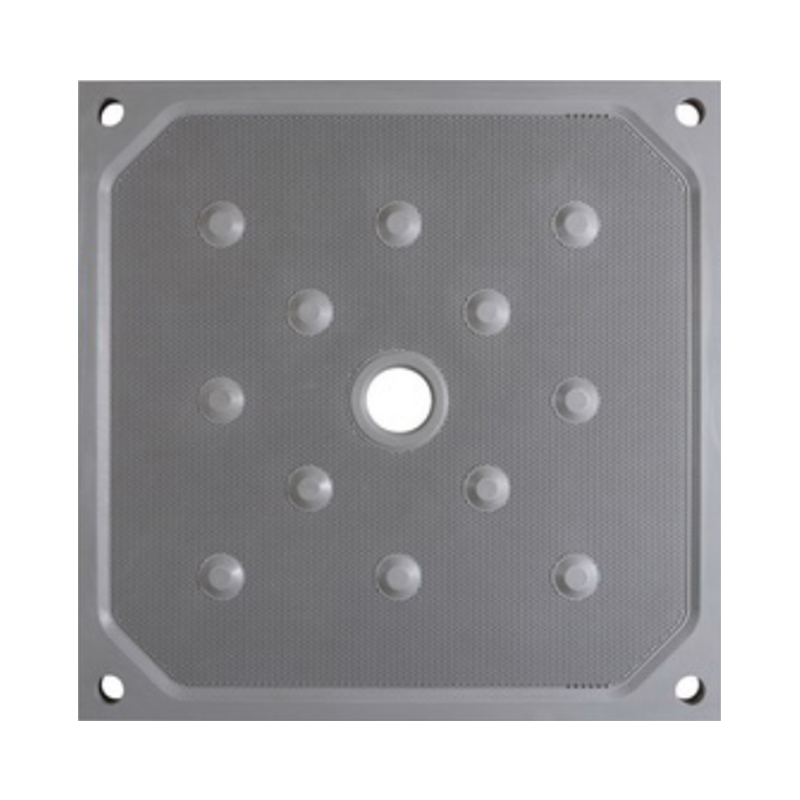
Un filtru presă cu membrană este o versiune avansată a filtrului presă cu cameră. După ce camera de filtrare este umplută cu solide, plăcile cu membrană flexibilă se extind folosind aer comprimat sau presiunea apei.
Această etapă de stoarcere a membranei comprimă turta de filtru, forțând lichid suplimentar prin pânza filtrantă și reducând semnificativ umiditatea reziduală.
Procesul de strângere suplimentară face ca filtrele prese cu membrană să fie deosebit de valoroase pentru industriile care necesită turte de filtrare extrem de uscate sau costuri de transport mai mici.
Proces de lucru
Filtrul presă cu membrană funcționează în două etape:
- Etapa normală de filtrare
- Etapa de stoarcere a membranei
În timpul celei de-a doua etape, plăcile cu membrană se extind și comprimă uniform turta de filtrare, îmbunătățind eficiența de deshidratare fără a prelungi semnificativ timpul de filtrare.
Caracteristici cheie
- Stoarcere secundară a prăjiturii
- Reduceți umiditatea tortului
- Eficiență mai mare de filtrare
- Performanță de uscare mai rapidă
- Eficiență mai bună a spălării
- Costuri reduse de eliminare
Aplicații tipice
- Concentrate miniere
- catalizatori chimici
- Intermediari farmaceutici
- Produse chimice fine
- Productie material baterie
- Nămol de galvanizare
- Tratarea deșeurilor periculoase
Avantaje
| Caracteristică | Beneficiază |
| Strângerea membranei | Produce turtă de filtru uscată |
| Eficiență mai mare | Cicluri generale de producție mai scurte |
| Costuri reduse de transport | Mai puțină apă în turta de filtru |
| Mai bine spălați prăjiturile | Puritate mai mare a produsului |
| Energie de uscare mai redusă | Economisește costurile de operare |
Limitări
În comparație cu filtrele cu filtru presă cu cameră, sistemele cu membrană necesită:
- Investiție inițială mai mare
- Sisteme hidraulice mai complexe
- Întreținere suplimentară pentru plăcile cu membrană
- Costuri de operare puțin mai mari
Cu toate acestea, aceste costuri suplimentare sunt adesea compensate de o productivitate îmbunătățită și de cheltuieli mai mici de procesare în aval.
Diferențele esențiale dintre filtrele de presă cu membrană și cameră
Deși ambele sisteme folosesc plăci de filtrare și pânză filtrantă pentru a separa solidele de lichide, principiile de funcționare și performanța lor diferă considerabil.
| Element de comparație | Filtru Camera Presă Filtru | Membrană Filtru Presă Filtru |
| Tip placă | Plăci de cameră încastrate | Plăci cu membrană |
| Metoda de filtrare | Doar presiunea pompei | Presiunea membranei pompei |
| Umiditatea tortului | Mai sus | Mai jos |
| Viteza de filtrare | Standard | Ciclu general mai rapid |
| Spălarea prăjiturii | Standard | Mai eficient |
| Consum de energie | Mai jos | Moderat |
| Costul initial | Mai jos | Mai sus |
| Întreținere | Mai usor | Puțin mai complex |
| Productivitate | Bun | Excelent |
| Potrivit pentru șlamuri dificile | Moderat | Excelent |
În general, filtrele cu filtru presă cu membrană oferă performanțe superioare de deshidratare, în timp ce filtrele cu filtru presă cu cameră oferă o soluție mai economică pentru filtrarea industrială generală.
Beneficiile filtrelor cu filtru presă cu cameră
Pentru multe instalații industriale, filtrele cu filtru presă cu cameră rămân opțiunea preferată datorită echilibrului lor între cost și performanță.
Investiții de capital mai mici
Designul echipamentului este simplu, costurile de achiziție și instalare sunt relativ scăzute. Acest lucru face ca filtrele prese cu cameră să fie atractive pentru unitățile de producție mici și mijlocii.
Întreținere ușoară
Cu mai puține componente în mișcare, cerințele de întreținere sunt relativ simple. Înlocuirea pânzei filtrante, inspecția plăcii și întreținerea hidraulică pot fi de obicei finalizate rapid.
Funcționare fiabilă
Presele cu filtru cu cameră au fost utilizate cu succes de zeci de ani și oferă performanțe de încredere într-o mare varietate de condiții de operare.
Compatibilitate largă a materialelor
Aceste sisteme pot procesa multe tipuri diferite de șlam, inclusiv:
- Concentrate minerale
- Namol chimic
- Namol biologic
- Pastă ceramică
- Produse alimentare
- Pastă de hârtie
Pentru aplicațiile în care umiditatea ultra-scăzută a turtei nu este esențială, filtrele cu filtru presă cu cameră oferă o valoare excelentă.
Beneficiile filtrelor cu filtru presă cu membrană
Filtrele cu filtru presă cu membrană sunt concepute pentru operațiuni care necesită performanțe de filtrare mai ridicate și un conținut mai scăzut de umiditate.
Scăderea umidității reziduale
Procesul de stoarcere a membranei elimină lichidul suplimentar după filtrare, rezultând turte de filtrare semnificativ mai uscate.
Nivelurile mai scăzute de umiditate pot reduce costurile de transport, cerințele de depozitare și cheltuielile de uscare.
Eficiență îmbunătățită a producției
Deoarece stoarcerea membranei accelerează deshidratarea, ciclurile de producție sunt adesea mai scurte decât cele ale sistemelor convenționale cu camere.
Un randament mai mare înseamnă o productivitate crescută fără a extinde spațiul din fabrică.
Calitate mai bună a produsului
Multe industrii necesită turte de filtru extrem de curate.
Procesul de comprimare a membranei îmbunătățește spălarea prăjiturii, ajutând la îndepărtarea mai eficientă a impurităților.
Costuri de operare generale mai mici
Deși filtrele prese cu membrană costă mai mult inițial, mulți utilizatori își recuperează investiția prin:
- Energie redusă de uscare
- Costuri de transport mai mici
- Capacitate de producție mai mare
- Recuperare îmbunătățită a produsului
- Mai puțină eliminare a deșeurilor
Pentru producția de volum mare, aceste economii pe termen lung pot fi substanțiale.
Cum să alegeți între filtrele de presă cu filtru cu membrană și cameră
Selectarea filtrului filtru presă potrivit depinde de mai mulți factori operaționali.
Evaluați-vă caracteristicile șlamului
Luați în considerare:
- Dimensiunea particulelor
- Concentrație solidă
- Vâscozitate
- Compoziția chimică
- Compresibilitatea
Diferite proprietăți ale șlamului afectează viteza de filtrare și formarea turtei.
Determinați cerințele de umiditate
Dacă procesul dvs. de producție necesită prăjituri cu filtru foarte uscate, o presă cu filtru cu membrană este de obicei alegerea mai bună.
Pentru aplicațiile în care umiditatea moderată este acceptabilă, un filtru presă cu cameră poate oferi o soluție mai rentabilă.
Luați în considerare volumul de producție
Producția continuă la scară largă beneficiază adesea de eficiența mai mare a preselor cu filtre cu membrană.
Instalațiile mai mici cu debit moderat pot prefera simplitatea sistemelor cu camere.
Comparați costurile totale de proprietate
În loc să vă concentrați doar pe prețul de achiziție, evaluați:
- Consumul de energie
- Costurile forței de muncă
- Cheltuieli de întreținere
- Înlocuirea pânzei filtrante
- Costurile de eliminare a prăjiturii
- Durata de viață a echipamentului
Cel mai mic preț de achiziție nu duce întotdeauna la cel mai mic cost de operare pe termen lung.
Potriviți echipamentele la cerințele industriei
Diferitele industrii au priorități diferite:
| Industria | Tip de filtru recomandat |
| Tratarea apelor uzate | Filtru Presă cu cameră |
| minerit | Presă cu filtru cu membrană |
| Prelucrare chimică | Presă cu filtru cu membrană |
| Industria alimentară | Ori, în funcție de proces |
| Produse farmaceutice | Presă cu filtru cu membrană |
| Ceramica | Filtru Presă cu cameră |
| Pigmenti | Presă cu filtru cu membrană |
| metalurgie | Presă cu filtru cu membrană |
Sfaturi de întreținere pentru o durată de viață mai lungă
Indiferent de tipul de filtru presă, întreținerea corespunzătoare este esențială pentru o performanță fiabilă.
Practicile recomandate includ:
- Curățați cârpele filtrante în mod regulat pentru a preveni înfundarea.
- Inspectați plăcile de filtrare pentru fisuri sau deformare.
- Monitorizați presiunea hidraulică în timpul funcționării.
- Înlocuiți imediat garniturile deteriorate.
- Verificați plăcile cu membrană pentru uzură sau scurgeri.
- Lubrifiați componentele în mișcare conform recomandărilor producătorului.
- Efectuați inspecții de rutină pentru a minimiza timpul neașteptat.
Întreținerea constantă ajută la prelungirea duratei de viață a echipamentului, la menținerea eficienței filtrării și la reducerea costurilor de operare.

Informații de contact
 Nr. 1, Sudong Road, Guxi Town, Taixing, Jiangsu, China
 +86-15720778188
 +86-523-87791016
 +86-523-87797781
 [email protected]

;void(0))